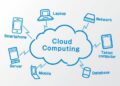
The world of technology constantly evolves, and few innovations have reshaped the digital landscape quite as profoundly as cloud computing. It is a term you hear everywhere, from small business meetings to massive global corporate strategies. Yet its true meaning and breadth can sometimes feel a little complex. Forget the notion of a literal moisture-filled formation in the sky. In the realm of computing, the “cloud” represents a sprawling, interconnected network of remote servers hosted on the internet.
All of these are designed to store, manage, and process data, applications, and services. This revolutionary model fundamentally transforms how individuals and organizations access and utilize computing resources. It shifts the burden and expense of owning and maintaining physical infrastructure from the user to a specialized third-party provider. Essentially, instead of building your own power plant for computing, you plug into an enormous, highly efficient, and globally distributed utility grid.
This “on-demand” nature, coupled with a pay-as-you-go pricing structure, has democratized high-end computing capabilities. It makes them accessible to virtually anyone with an internet connection. It is a paradigm shift that enables incredible scalability, flexibility, and cost-efficiency. This fuels the rapid pace of modern innovation and makes everything from streaming video to complex Artificial Intelligence processes possible at an unprecedented scale.
Defining the Cloud: More Than Just Remote Storage
Cloud computing is simply the on-demand delivery of computing services. These services include servers, storage, databases, networking, software, analytics, and intelligence. Instead of keeping all your digital assets and processing power locked away in a room on your premises, you access them over the internet. This model drastically cuts down on the capital expenditure of buying hardware and software, plus the operational costs of maintaining data centers.
The fundamental idea is one of utility consumption. You pay only for the resources you actually use, much like your electricity or water bill. This elastic scalability means you can instantly adjust your computing resources up or down based on current demand. This eliminates the guesswork of capacity planning. This flexibility is a game-changer for businesses dealing with unpredictable traffic or seasonal spikes.
The Core Cloud Service Models
Cloud computing isn’t a one-size-fits-all solution. It is delivered via different service models. These models dictate how much of the underlying infrastructure the cloud provider manages versus what the customer is responsible for. Think of it like a spectrum of control.
A. Infrastructure as a Service (IaaS)
IaaS is the most fundamental and flexible service model. It gives you access to basic computing infrastructure resources. This includes virtualized computing resources like virtual machines (VMs), networks, and storage.
The cloud provider manages the physical data center, the actual hardware, and the underlying virtualization layer. You, the user, retain full control over the operating systems, middleware, applications, and data. It is like renting the foundation of a building; you build everything else on top of it exactly how you want.
B. Platform as a Service (PaaS)
PaaS provides a complete environment for developing, running, and managing applications. This is designed primarily for developers. It includes the hardware and operating systems of IaaS, but also middleware, development tools, and database management systems.
The cloud provider handles the infrastructure, operating system, and patch updates. You focus solely on deploying and managing your applications and data. This is like renting an apartment that already has plumbing, electricity, and basic appliances; you just move in and decorate (develop your app).
C. Software as a Service (SaaS)
SaaS is the most common model, providing software applications over the internet, typically on a subscription basis. Most people use SaaS every day without realizing it. The cloud provider manages all aspects: the application, data, runtime, middleware, operating systems, and underlying infrastructure.
Users simply access the software via a web browser or a dedicated client application. Familiar examples include Gmail, Microsoft 365, and Dropbox. This is akin to a hotel room; everything is ready and managed for you, and you just use the services provided.
Deployment Architectures: Where the Cloud Lives
Beyond the service models, we also categorize clouds based on where the infrastructure is located and who can access it. These are known as deployment models.
A. Public Cloud
The public cloud is owned and operated by a third-party cloud service provider (CSP). These resources are shared across many different organizations or individuals, often called multi-tenancy. It offers massive scale, high availability, and the highest level of cost-efficiency.
Resources like servers and storage are pooled together and delivered over the internet. Examples include Amazon Web Services (AWS), Microsoft Azure, and Google Cloud Platform (GCP).
B. Private Cloud
A private cloud refers to computing resources used exclusively by one business or organization. It can be physically located at the organization’s on-site data center or hosted by a third-party service provider. It offers greater control and security, which is ideal for organizations with strict regulatory requirements.
The infrastructure and services are maintained on a private network, and the hardware is dedicated to a single customer. It combines the flexibility of the cloud with the control of traditional on-premises IT.
C. Hybrid Cloud
A hybrid cloud is a combination of a public cloud and a private cloud, bound together by technology that allows data and applications to be shared between them. This offers the best of both worlds. Organizations can use the private cloud for sensitive data and mission-critical applications.
They can leverage the public cloud for less-sensitive operations or to handle sudden, large-scale bursts in traffic. This provides exceptional flexibility, enabling workloads to move seamlessly between the two environments.
D. Community Cloud
A community cloud is a collaborative effort where infrastructure is shared among several organizations from a specific community with shared concerns, such as legal or compliance requirements. This model is typically managed by the organizations themselves or a third party. It is a less common model but highly beneficial for niche industries with mutual needs, like government agencies or specific research institutions.
Key Advantages That Drive Cloud Adoption

The phenomenal growth of cloud computing is fueled by a range of compelling benefits that address modern business challenges. These advantages have made the cloud not just a viable option but often a strategic necessity.
A. Cost Reduction
Switching to the cloud eliminates significant upfront capital expenditures. You no longer need to purchase expensive hardware, software, or build massive data centers. The pay-as-you-go model means you only pay for the resources you consume, much like a utility service.
Operational costs decrease because the cloud provider handles maintenance, electricity, and cooling. This shifts the spending from CapEx (Capital Expenditure) to OpEx (Operational Expenditure).
B. Scalability and Elasticity
Cloud resources can be scaled up or down instantly and automatically to meet demand. This is arguably the most transformative feature. If your website experiences a sudden traffic surge, the cloud automatically allocates more computing power.
Once the demand subsides, resources are released, preventing unnecessary costs. This elasticity ensures that performance is maintained without over-provisioning resources.
C. Performance and Reliability
Cloud providers invest heavily in cutting-edge, high-performance computing hardware and global networks. Data is stored across multiple, redundant physical locations, offering superior backup and disaster recovery capabilities. If one server or data center fails, another seamlessly takes over, ensuring near-perfect uptime and business continuity. Users benefit from lower network latency because resources are often closer to them geographically.
D. Global Reach
Major cloud providers have vast networks of data centers spread across the globe. This instant global deployment capability is crucial for modern businesses. You can deploy your applications in minutes to regions worldwide, drastically improving customer experience and reducing latency. This also simplifies compliance with data residency laws by allowing you to choose where your data is physically stored.
E. Increased Productivity
The cloud offloads the time-consuming tasks of IT infrastructure management. This allows IT teams to pivot their focus. Instead of spending hours on hardware setup, software patching, and system maintenance, teams can concentrate on core business goals. This directly accelerates the speed of innovation and the time-to-market for new products and features.
Navigating the Cloud Security Landscape
While the cloud offers immense benefits, security remains a paramount concern for many organizations. It is crucial to understand the Shared Responsibility Model in cloud security. In this model, the cloud provider is responsible for the security of the cloud, meaning the underlying infrastructure. The customer is responsible for the security in the cloud, which includes securing their data, applications, operating systems, and network configurations.
Despite this shared effort, certain challenges persist that require constant vigilance. Misconfigurations are a leading cause of security incidents.
A. Data Breaches and Leakage
Protecting sensitive data stored in the cloud is critical. Data breaches can occur due to weak access controls or inadequate encryption.
B. Identity and Access Management (IAM)
Poor IAM practices, such as weak passwords or insufficient multi-factor authentication, can lead to account hijacking. Controlling who can access which resources is a complex, ongoing task.
C. Compliance and Governance
Organizations must ensure that their cloud deployments comply with various industry and government regulations. This includes HIPAA for healthcare or GDPR for data privacy.
D. Lack of Visibility
In a complex, distributed cloud environment, maintaining full visibility over all resources and user activity can be difficult. This lack of transparency can hide security gaps.
E. Misconfigurations
The ease of provisioning resources can also lead to misconfigurations. This is where default security settings are overlooked, inadvertently exposing data or services to the public internet.
The Future is Cloudy: Emerging Trends
The cloud is far from a finished product. It is a continually evolving platform that embraces and drives new technologies. Serverless computing and edge computing are two major trends shaping its future.
Serverless Computing (Function as a Service – FaaS): This further abstracts the infrastructure, allowing developers to execute code functions without managing any underlying servers at all. You literally only pay when your code runs.
Edge Computing: This involves bringing computing power and data storage closer to the physical location where the data is being created. It tackles the issue of latency for applications that require near-instantaneous processing, such as autonomous vehicles or Internet of Things (IoT) devices. It is an extension of the cloud, not a replacement.
Conclusion

Cloud computing is a powerful engine of the modern digital economy. It allows for unprecedented agility and growth. It dramatically reduces barriers to entry for startups. It enables large enterprises to be more efficient and innovative. It is a vast, utility-based resource, always available and perfectly scalable. It has irrevocably changed the way we build, deploy, and interact with technology.
This shift represents a move toward smarter, more flexible resource consumption. This evolution is vital for all organizations seeking to remain competitive. Embracing the cloud is no longer a choice but a mandatory part of any future-proof business strategy. The ability to innovate quickly and affordably is tied directly to cloud capabilities.